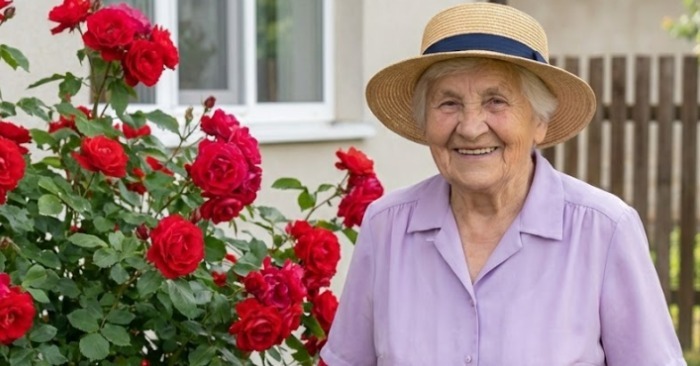
A year after Grandma’s death I kept my promise and dug up her favorite rose bush. I expected roots, soil, maybe some small keepsakes. Instead, I found a secret she took with her to the grave — and it set off an avalanche of events after which nothing was ever the same.
My name is Bonnie, I am 26 years old, and for most of my life I have learned that family is not just blood. Family is those who are there when you need them. And those who are not.
I grew up in a small town in northern Michigan. Imagine cozy porches, wood-burning stoves, and winters so long that a person has to lean even more on the people around them.
My mother, Mary, worked as a school nurse. Her mother, my grandmother Liz, was the glue of our world. She was never rich, but she had a quiet strength in her — that steady presence you can lean on when the ground shifts beneath your feet. Even her silence could warm an entire room.
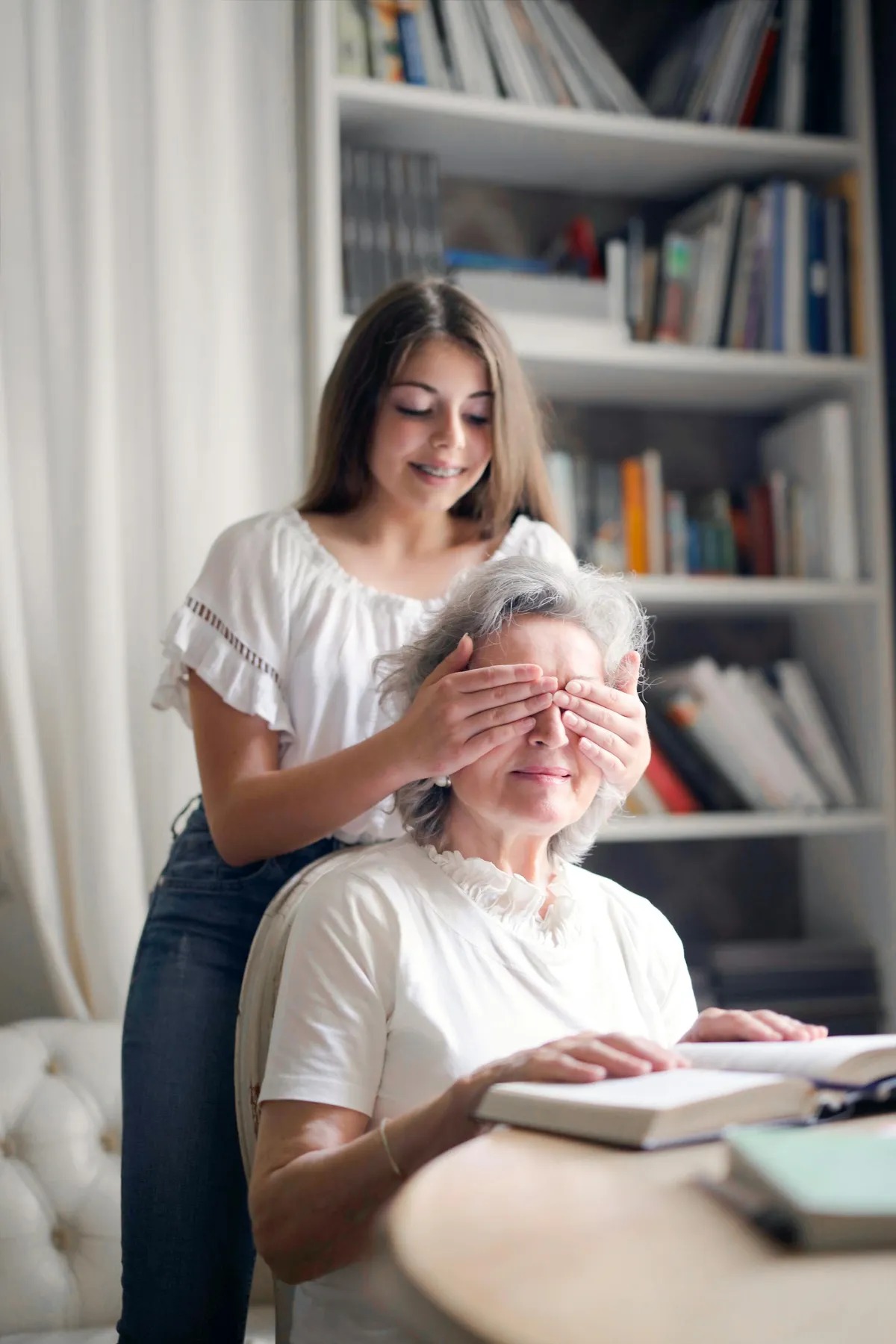
I was always close to my mom, but Grandma was my safe harbor. After school I would go to her place, help fold laundry or watch her slice apples with the same old knife she had used even before I was born. She always smelled of Ivory soap and cinnamon.

Only much later did I understand how tense Grandma’s relationship was with her second daughter — my Aunt Karen.
Karen was ten years older than my mom. She left the town right after finishing school and returned only when it suited her. She lived in a modern apartment in Chicago, used an expensive perfume that lingered in the air long after she left, and behaved as if our family was merely an old story not worth returning to. And yet Grandma never said a bad word about her.
– She’s just looking for her own path – she would repeat, smoothing her skirt as if those words didn’t hurt her at all.
But I saw the sadness in her eyes.
THE TRUTH WAS THAT GRANDMA GAVE KAREN EVERYTHING.
The truth was that Grandma gave Karen everything. She saved and gave up her own needs so that she could go to college. She helped her pay rent, fixed her car, and when Karen lost her job in her thirties, she even lent her money. But it was never enough. Karen could make Grandma feel worthless — as if every gesture of hers was obvious, trivial, and unworthy of gratitude.
The last time Karen visited, before Grandma fell ill, she spent the whole time criticizing the wallpaper and complaining about the lack of air conditioning. Grandma didn’t say a single word in her own defense. She moved around the kitchen as if she hadn’t heard anything and still cooked Karen’s favorite dish: chicken and dumplings. Karen barely touched it.
When Grandma died, I was 25 years old. Watching someone you love slowly disappear from the world changes a person. It erases them from the inside, step by step. I remember the house in those final days: quiet, but not peaceful. It was a tense silence, as if the walls themselves were holding their breath.
One night Grandma called me into her bedroom. Her voice was so weak that I had to kneel to hear her clearly.
– Darling… – she whispered, brushing my fingers. – After my death promise me that you will dig up my rose bush. Do it after a year. Don’t forget.
I NODDED, EVEN THOUGH MY THROAT TIGHTENED WITH PAIN.
I nodded, even though my throat tightened with pain. I didn’t understand why it was so important, but her gaze was firm, determined.
– I promise, Grandma.
Then she added, barely audibly:
– And remember… the house… I’m leaving it to your mother and to you. My notary has the will.
TEARS RAN DOWN MY CHEEKS.
Tears ran down my cheeks. I wanted to tell her not to worry, that everything would be fine. But we both knew it wouldn’t.
When she passed away, everything fell apart.
Karen arrived with great pomp, as if she had stepped straight out of a fashion magazine. She wore a black dress that probably cost more than our monthly food budget, and her heels clicked on the church floor as if they didn’t belong in that place at all.
During the wake she walked around the house like a real estate agent at a showing — her eyes sweeping over the sideboard, the antique dresser in the hallway, as if everything already belonged to her.
Three days after the funeral she stood in the doorway with a folder in her hand. I will never forget her voice — cold, almost triumphant.
? THE HOUSE IS MINE. MOM LEFT IT TO ME.
– The house is mine. Mom left it to me.
And she waved a will I had never seen before.
Mom and I froze.
– What are you even talking about? – Mom asked in a trembling voice. – She told us she was leaving the house to us.
Karen’s smile did not reach her eyes.
? APPARENTLY SHE CHANGED HER MIND.
– Apparently she changed her mind.
We searched everywhere. In binders, in the drawers in Grandma’s bedroom, even in the attic. Nothing. The original will had disappeared.
Of course we thought about fighting it. But Karen had money, expensive lawyers, and that haughty confidence that makes you feel resistance is pointless. And so we packed our things — every memory wrapped in newspaper, slipped into a box. The only home I had ever known was gone.
Within a few weeks Karen turned the house into a rental.
Mom and I moved into a small house on the other side of town. It wasn’t special, but it was ours. Even so, I couldn’t get Grandma’s words about the rose bush out of my head.
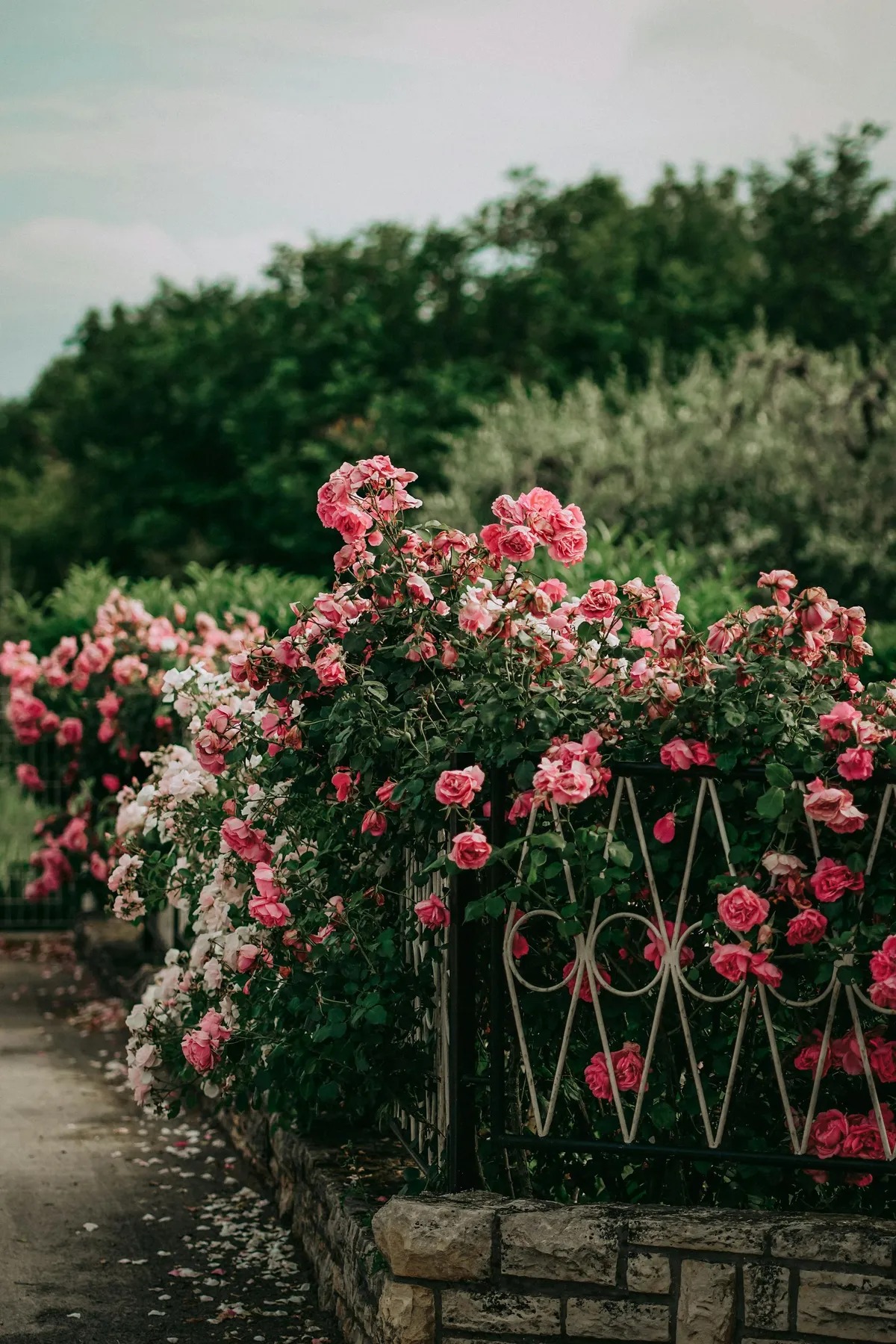
It had stood in the garden for as long as I can remember — tall, proud, with flowers in a deep, wine color. It was her favorite. When she watered it, she talked to it like to an old friend.
One evening I sat on my bed with my phone in my hand and stared at Karen’s name in my contacts. My stomach tightened into a knot, but I pressed “call” anyway.
She answered on the third ring.
– What? – she growled, already irritated.
? I… I JUST WANTED TO ASK IF I COULD TAKE GRANDMA’S ROSE.
– I… I just wanted to ask if I could take Grandma’s rose. That bush in the garden. I would like to plant it by our little house.
There was silence. And then Karen snorted.
– Roses? Take them, I don’t care. And don’t bother me with such nonsense again.
Click.
End of the call.
I CONTACTED THE TENANTS — TWO WOMEN IN THEIR THIRTIES, MIA AND RACHEL.
I contacted the tenants — two women in their thirties, Mia and Rachel. They were kind, warm, and understood grief far better than Karen ever had.
– Of course – Mia said when I explained everything to her. – Just please let us know when you’re coming.
On the day I returned to Grandma’s garden, something felt wrong. Not because of the tenants — they were wonderful — but because that house no longer belonged to us. The energy had changed. Everything was cold, distant. Even the wind seemed foreign, as if the house did not recognize me.
The rose bush stood in the same place, by the white fence, proud as always. I fell to my knees, put on gardening gloves and whispered:
– All right, Grandma. I’m here.
THE SOIL WAS HARD AND DRY.
The soil was hard and dry. Every time I drove the shovel in, it resisted. Somewhere in the distance birds were chirping, leaves were rustling. Sweat ran down my back as I dug deeper, and my hands began to ache.
And then suddenly I heard it.
Clong.
The sound sent a shiver through me. I froze.
It wasn’t a root. Or a stone.
WITH MY HEART POUNDING, I SET THE SHOVEL ASIDE AND BEGAN SCOOPING AWAY THE SOIL WITH MY HANDS UNTIL I HIT SOMETHING HARD.
With my heart pounding, I set the shovel aside and began scooping away the soil with my hands until I hit something hard.
Wood? No… metal.
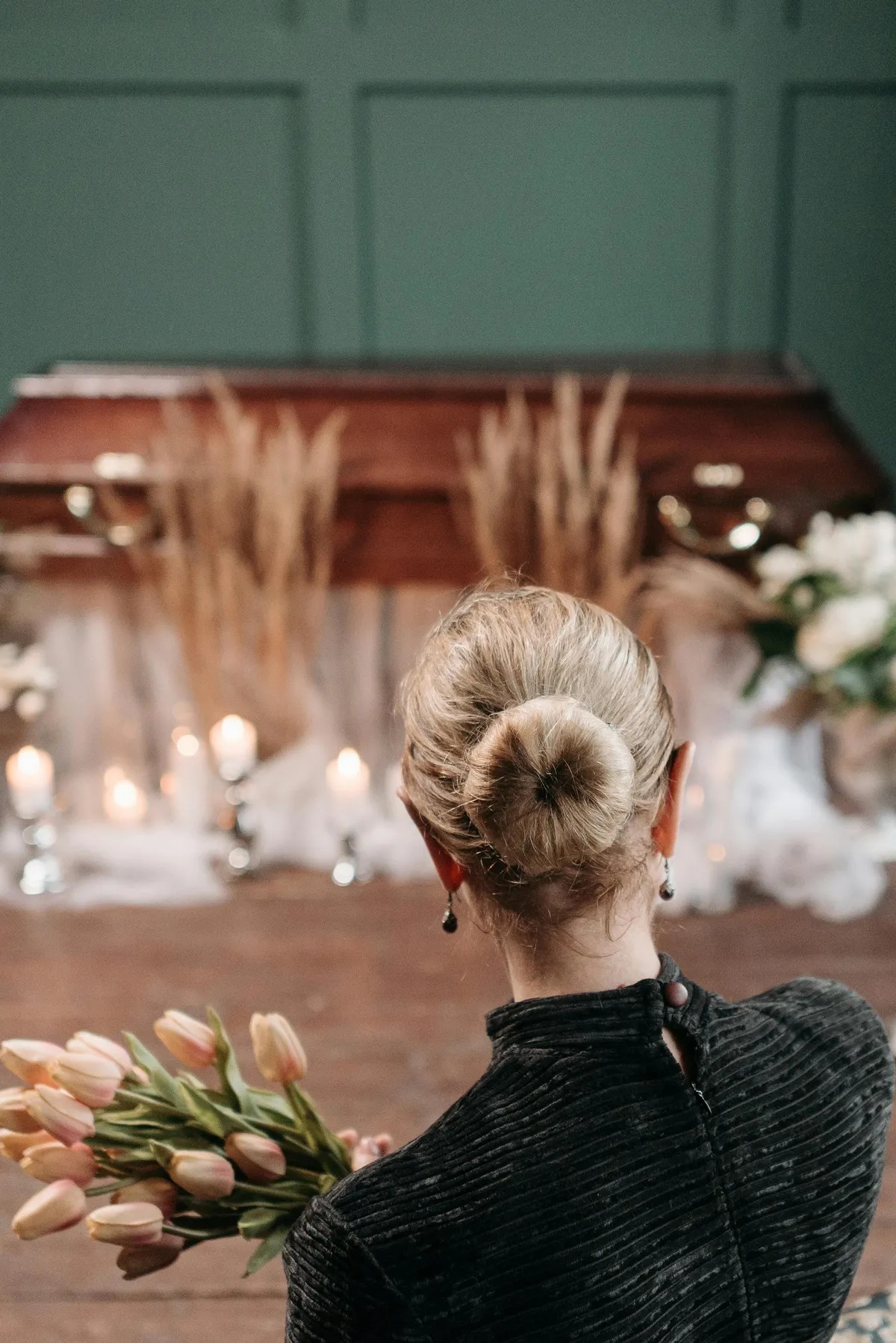
I couldn’t catch my breath. Grandma hadn’t asked me to move “just” a plant. She had buried something there.
When I removed the last layer of soil and saw the edge of a rusty metal box, my heart nearly leaped out of my chest. It was buried deep, larger than I had expected. I dug around it until I could finally pull it out.
IT WAS HEAVIER THAN IT LOOKED, COVERED IN RUST.
It was heavier than it looked, covered in rust. A rusty latch held the lid closed. I sat back on my heels, grabbed the clasp with both hands and tried to open it. My hands hurt from the effort, but I had no intention of giving up.
– Come on… – I muttered through clenched teeth and pulled once more.
The latch gave way suddenly with a short snap. I swayed, almost dropping the box, but kept it on my knees. The lid opened with a creak.
Inside everything was arranged with incredible care. On top lay a folded letter — yellowed at the edges, but protected from moisture. Beneath it was a stack of official documents tied with a ribbon.
The moment I saw the handwriting on the envelope, I knew.
It was Grandma.
Tears filled my eyes as I unfolded the letter with trembling hands.
“My darling, if you are reading this, it means you did what I asked you to do. You moved my roses. I knew you would.”
I bit my lip and blinked hard because the letters began to blur.
“I want you to know how much I love you and how proud I am of you. I left my will with the notary, but knowing your aunt, I decided to make sure nothing could be falsified. Inside you will find a signed copy of my will, as well as this letter with my signature. This house belongs to you and your mother. I hope that by now your mother and your aunt have reconciled and that you are living happily in the house I worked so hard for. But if that is not the case — if something went wrong — here is everything you need to prove the truth.”
I LOWERED THE SHEET AND PRESSED IT TO MY CHEST.
I lowered the sheet and pressed it to my chest. The dam broke.
She knew.
Grandma had foreseen the betrayal, the greed, the theft of the will. And she prepared for it, hiding the truth right under Karen’s nose.
I sat in the garden for a long time, clutching the box like a sacred treasure. When I finally regained my breath, I put the documents back inside, closed the lid and placed the box in my backpack, then looked at the rose bush.
– I’ll take you too – I whispered, brushing the petals. – We’re going home.
CAREFULLY I DUG UP THE REST OF THE ROOTS, WRAPPED THEM IN BURLAP AND PLACED THEM IN A PLASTIC CONTAINER.
Carefully I dug up the rest of the roots, wrapped them in burlap and placed them in a plastic container. My hands were trembling, but not from exhaustion. It was something else. Hope. After months of bitterness and helplessness, I finally had something to hold on to.
When I returned to our small rented house, Mom was standing in the kitchen rinsing dishes. Her hair was tied back, she looked tired, but she smiled at the sight of me.

– Did you manage to take the rose? – she asked, drying her hands.
– I found much more – I answered quietly, taking the box out of my backpack and placing it carefully on the table.
SHE LOOKED AT ME QUESTIONINGLY, WIPED HER HANDS ON A DISH TOWEL AND SAT DOWN.
She looked at me questioningly, wiped her hands on a dish towel and sat down. I opened the lid and handed her the letter.
Her fingers trembled as she took it. She read slowly at first, then faster and faster.
When she reached the last line, her mouth fell open. She set the letter down as if it were something fragile and fixed her gaze on the papers lying underneath.
– God… – she whispered, placing her hand over her mouth. – Bonnie… it’s true. It’s her will. With the signature… with everything.
Tears filled her eyes and before I could say anything, she began to cry. I hadn’t seen her cry like that since the night Grandma passed away. Something inside me broke, but at the same time I felt a new strength.
? THERE’S SOMETHING ELSE – I SAID, SPREADING OUT THE REMAINING DOCUMENTS.
– There’s something else – I said, spreading out the remaining documents.
The next day we went into town and arranged a meeting with a local lawyer, Attorney Leary. He was around forty, neat, and had that concrete, serious energy one always looks for in a lawyer. After a short consultation, he agreed to take our case on a contingency basis.
– I rarely say this at a first meeting – he stated, reviewing the documents – but this is not only a civil matter. If what you’re saying is true — and these papers indicate that it is — we are talking about fraud. And even about forgery and use of a forged document. Possibly also conspiracy.
Mom looked completely devastated.
– Karen’s lawyer was involved in this? – she asked quietly.
ATTORNEY LEARY NODDED.
Attorney Leary nodded.
– If the original will was replaced with a fake one, and that fake one was used to take over the property, then yes. And here… you have very strong evidence.
– What now? – I asked.
He leaned back in his chair.
– Now we sue them in court.
THEN EVERYTHING MOVED LIKE A STORM.
Then everything moved like a storm. Attorney Leary engaged handwriting experts, document analysis specialists, and even a forensic accountant. The signature on the fake will did not match Grandma’s signature, the writing style clearly differed. Worse still, bank statements showed suspicious transfers to the lawyer handling the estate — large sums of unclear origin.
The trial lasted several months. Karen appeared in court with the same arrogance as always, in designer clothes, barely looking at us. But as the evidence piled up, her confidence began to crack.
I will never forget her face when the judge announced that the original will was authentic and binding.
The house — our house — returned to us legally. But that was not all: the court ordered Karen to pay compensation. It included the rent we had paid elsewhere and compensation for the harm and stress suffered. Her plan collapsed completely.
The prosecutor initiated criminal proceedings. Karen’s lawyer lost his license to practice. And Karen was charged with fraud and perjury.
WHEN WE LEFT THE COURTROOM, MOM SQUEEZED MY HAND SO TIGHTLY AS IF SHE WAS AFRAID THAT IF SHE LET GO, EVERYTHING WOULD DISAPPEAR AGAIN.
When we left the courtroom, Mom squeezed my hand so tightly as if she was afraid that if she let go, everything would disappear again.
– Grandma knew – I said quietly. – She knew exactly what Karen would do.
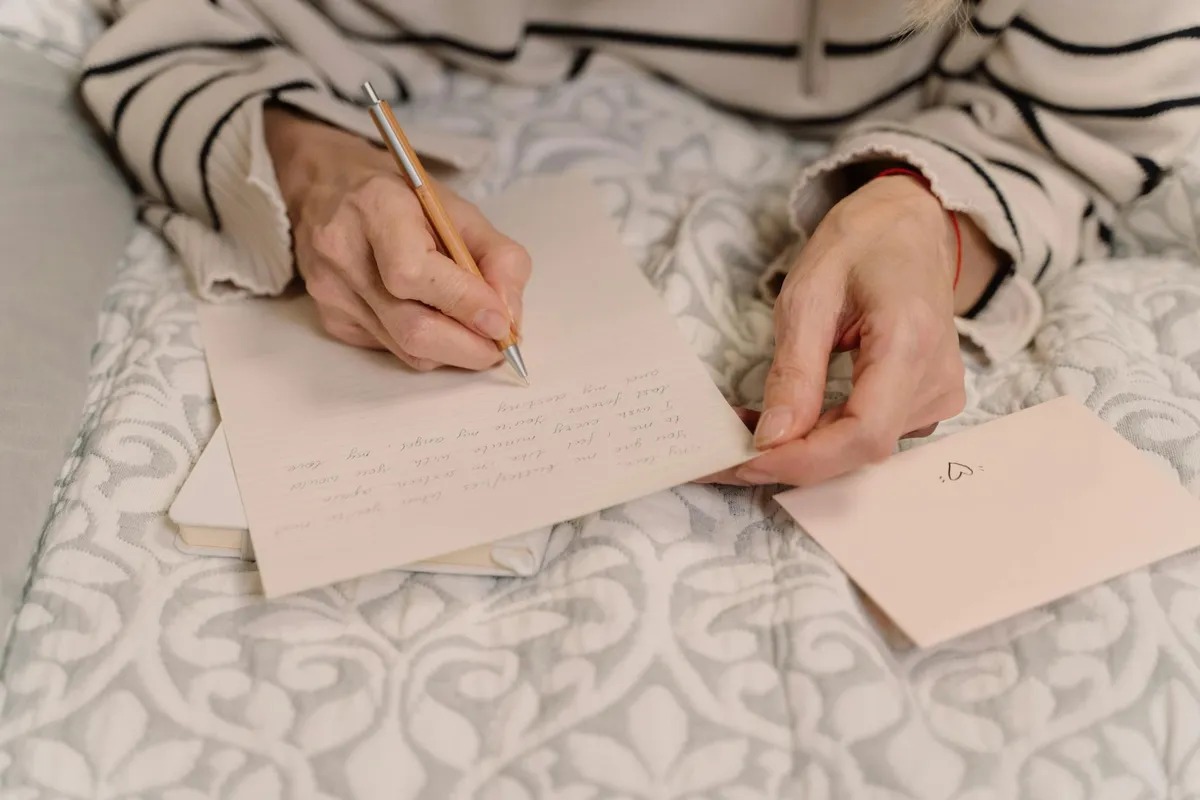
Mom nodded, and tears were shining in her eyes.
– She trusted you. And she was right.
A FEW WEEKS LATER WE RETURNED HOME.
A few weeks later we returned home.
It was strange to cross the threshold, as if time had turned back a year. It still smelled of lavender and old wood. Mia and Rachel had already packed, but they came back once more to say goodbye to us.
– You saved this house – Rachel said gently. – Your grandmother would be proud.
I smiled.
– She is proud.
WE ARRANGED WITH OUR FORMER LANDLORD SO THAT MIA AND RACHEL COULD CONTINUE RENTING THE LITTLE HOUSE, BUT AT A LOWER RENT.
We arranged with our former landlord so that Mia and Rachel could continue renting the little house, but at a lower rent. It was fair. It was good.
And then the day came when I brought the rose back home.
The garden looked the same: white fence, stone path. I carried the wrapped roots near the porch and began to dig. The soil was softer this time, as if it wanted to accept them.
When I placed the roots in the hole, I felt something inside me settle, as if the tension I had carried within me for months finally had somewhere to flow away.
I covered the roots with soil, pressed it down, then stood up and wiped my hands on my jeans. The sun was beginning to set, coloring the sky pink and orange. There was silence — but this time it was full. As if the house was breathing again.
I SAT ON THE PORCH STEPS AND WATCHED THE SMALL GREEN SHOOTS DANCING IN THE LIGHT BREEZE.
I sat on the porch steps and watched the small green shoots dancing in the light breeze.
For the first time since Grandma’s death, I felt peace.
Her roses led me to the truth. Her love protected us even after she was gone.
The house was ours again.
And the garden too.